
Does my child need professional help? Or is this a normal phase?
Updated: Jul 20

Every parent has had this moment: your kid seems off. Withdrawn, weepy, snapping at siblings, refusing to go to school, glued to their screens. And the question underneath it all is: Is this just growing up, or is this something I need to get professional help for?
Most childhood struggle is not a disorder. Moodiness, occasional worry, a few tough weeks after a friendship ends, a period of being extra clingy after a move: these are normal parts of development. Kids are built to wobble sometimes. The goal isn't to eliminate every hard feeling — it's to know when it has turned into something that needs more support than you can give at home.
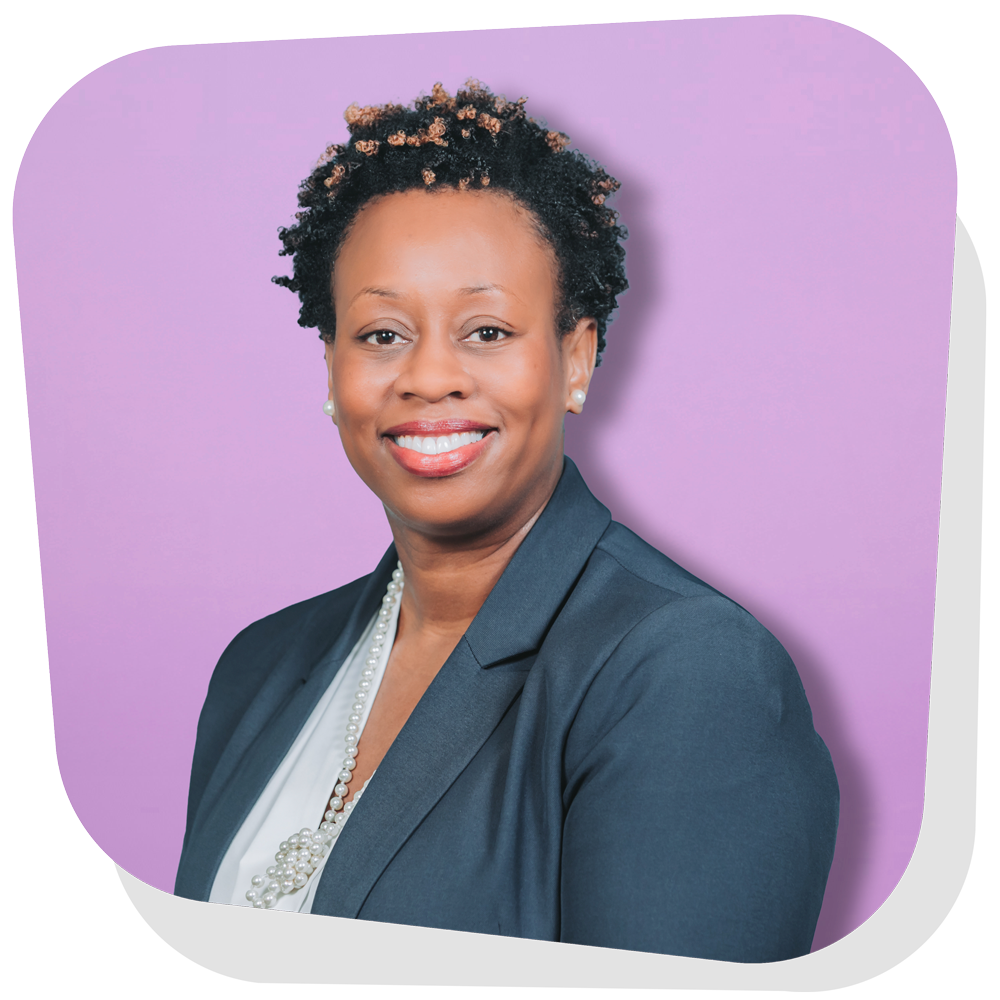
Mood Treatment Center Nurse Practitioner, Dawn Mason, PMHNP-BC, PMHS, CPNP-PC shares more on what signs adults can look for and what happens next. Below, we also share a short, confidential assessment quiz.
Why kids struggle in the first place
Struggles, like anxiety and school difficulties rarely come from nowhere. "When I talk to kids and their families, I remind them that anxiety is more common than they think," says Dawn. "Many kids are receiving treatment, but they just don't talk about it."
A few of the biggest factors that pediatric clinicians see:
Developmental stage. Fears of the dark or separation are expected at 3–4 years old; social self-consciousness ramps up in early adolescence. What's a red flag at 14 might be entirely age-appropriate at 5.
Biology and temperament. Anxiety disorders involve real changes in brain circuits that process threat and fear — this isn't "just in their head" in the dismissive sense. Genetics predispose kids to certain experiences, and then environmental factors can catalyze those predispositions.
School and social pressure. Academic demands, social media comparison, and peer conflict are consistently linked to rising distress. National data show the number of adolescents reporting poor mental health has been increasing, though building strong connections at school and home can protect against it. Encouragingly, the most recent nationwide survey found some improvement in teens feeling persistently sad or hopeless between 2021 and 2023 — even as school-based bullying and safety-related absences rose.
Life disruption. Divorce, illness, a move, bullying, or loss can all spark a temporary spike in anxiety or withdrawal that resolves with time and support — or that tips into something more persistent if it isn't addressed.
Signs to look for
Ask yourself three questions:
How long has it lasted? A few rough weeks after a stressor is different from months of the same pattern.
How much is it interfering with life? Is your child still able to go to school, keep friendships, sleep, eat, and enjoy things they used to enjoy — even if it's harder than before?
Is it getting worse?
Specific signs that point toward a professional evaluation rather than "wait and see":
Anxiety that's disproportionate and sticky — worry the child can't turn off even when they know it's excessive, especially if it's leading to avoidance (skipping school, avoiding friends, refusing normal activities).
School absence or a sharp academic drop that isn't explained by a single bad experience or teacher conflict.
Physical complaints with no medical cause — frequent stomachaches, headaches, or fatigue tied to anxiety-provoking situations.
Withdrawal from things they used to love, or from people they used to be close to, lasting more than two weeks.
Sleep or appetite changes that are sustained and significant.
Irritability or meltdowns that are frequent, intense, and out of proportion to the catalyst.
Any talk of self-harm or suicide, or self-harm behavior — this warrants immediate evaluation, not observation.
Roughly one in five adolescents report anxiety symptoms severe enough to affect daily life, and most anxiety disorders emerge in early adolescence and don't resolve on their own without treatment. Yet the treatment gap is real — a large share of children and teens with a diagnosable condition never receive care, often because parents aren't sure whether what they're seeing crosses the threshold.
What getting help looks like
"Seeking help doesn't always mean medication. A good portion of treatment is developing skills for their personal toolbox and psychoeducation," says Dawn. "My goal in treatment is providing enough information for families to truly make an informed decision."
It doesn't have to mean medication on day one. For most, for childhood anxiety, cognitive behavioral therapy (CBT) is the recommended first-line treatment. Then medication — typically an SSRI — can be added if symptoms are moderate-to-severe or when therapy alone isn't enough. Clinical guidance also increasingly favors starting with a conversation with your pediatrician, who can screen, rule out medical causes, and refer to a child psychologist or psychiatrist as needed.
Help and healing are possible
Kids are remarkably responsive to help. Anxiety and mood problems in children respond well to structured treatment, and starting early tends to shorten the road to feeling better. Seeking help isn't a sign you've failed as a parent — it's the thing that gets your child back to themselves faster. If your child talks about wanting to die or hurting themselves, don't wait for an appointment — call or text 988 (Suicide & Crisis Lifeline) or go to your nearest emergency room.
To schedule a consultation with Dawn or another provider at Mood Treatment Center, you can book an appointment online.
Take a short assessment quiz:
Sources
American Journal of Psychiatry, "Current and Future Approaches to Pediatric Anxiety Disorder Treatment" (2024)
CDC, "CDC Data Show Improvements in Youth Mental Health but Need for Safer and More Supportive Schools" (2024)
CDC, "Data and Statistics on Children's Mental Health" (2025)
Melbourne Children's Campus / Medscape, "Anxiety in Children and Young People" Clinical Guideline (2025)
MSD Manual Professional Edition, "Overview of Anxiety Disorders in Children and Adolescents" (2025–2026 review)
Comments